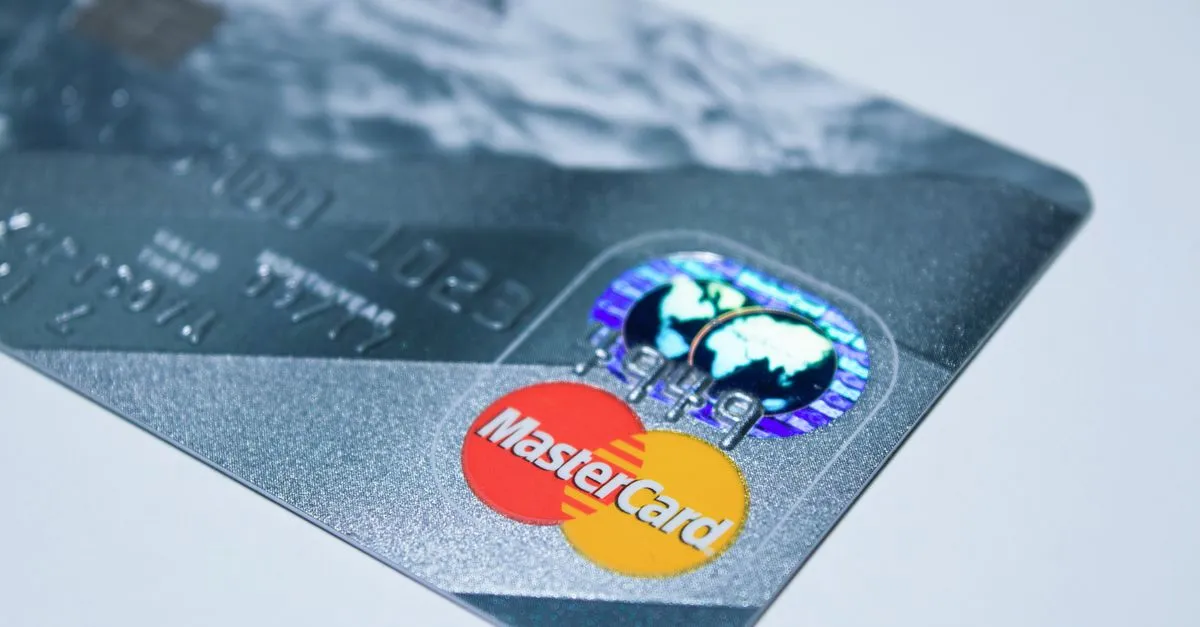
Secure Payment Methods for Crypto Trading: 2025 Guide
Secure Payment Methods for Crypto Trading: A Complete Guide
As digital asset markets mature, the question traders ask most often is no longer "which coin should I buy?" but "how do I move money safely?" Secure payment methods for crypto trading form the backbone of every successful transaction. Whether you are a freelancer receiving cross-border payments, an online earner converting client settlements, or an active trader managing a diversified portfolio, the rails you choose determine how protected your funds truly are. This guide breaks down the payment methods that combine speed, cryptographic integrity, and strong operational safeguards.
Why Payment Security Defines Modern Crypto Trading
Blockchain transactions are irreversible by design. That permanence is a strength for settlement finality, but it also means a single lapse in payment hygiene can be costly. Secure payment methods for crypto trading address three distinct risk layers: the security of the funding channel, the integrity of the exchange counterparty, and the protection of your account credentials.
A well-designed platform mitigates all three. Fiat rails should be processed through regulated banking partners with real-time fraud screening, while crypto deposits should be verified on-chain before crediting. Traders who understand these layers make better decisions about where to hold funds and how to move them.
The Three Pillars of Transaction Safety
- Channel security: Encrypted fiat gateways and verified on-chain deposit addresses.
- Counterparty trust: Licensed exchanges with proof of reserves and segregated custody.
- Account protection: Two-factor authentication, withdrawal whitelists, and device management.
Secure Fiat Payment Rails for Crypto Trading
For most participants, fiat on-ramps remain the entry point into digital assets. The strongest secure payment methods for crypto trading pair traditional payment networks with modern fraud analytics.
Established Digital Wallets and Processors
Services such as PayPal, Skrill, Neteller, Payeer, Perfect Money, and WebMoney offer buyer protection frameworks and mature dispute systems. When integrated into a compliant exchange, these wallets let traders fund accounts without exposing full banking details. Regional settlement networks like Nagad, Rocket, Local Pay, and Nexus Pay extend similar convenience to high-volume remittance corridors, while RedotPay, Volet/Advcash, and card-based processors round out the fiat toolkit. The key requirement is that the exchange verifies the sender identity, ensuring funds originate from a source you control.
Card and Bank Transfers
Debit and credit card payments benefit from chargeback mechanisms and 3-D Secure authentication. Bank transfers, meanwhile, provide high limits and clear audit trails. Both should be routed through PCI-DSS compliant gateways with real-time anti-fraud checks.
Stablecoin Rails: The Workhorse of Secure Crypto Settlement
Stablecoins have become the preferred settlement layer for freelancers and cross-border earners because they combine price stability with blockchain transparency. When selecting a network, match it to your priorities.
Choosing the Right Network
- USDT on TRC20: Low fees and fast confirmation, ideal for frequent transfers.
- USDT on ERC20: Deep liquidity and broad exchange support, suited to larger settlements.
- USDT on BEP20, SOL, TON, or Polygon: Low-cost alternatives with growing merchant acceptance.
- USDC: A regulated, fully reserved stablecoin favored by institutional counterparties.
Always confirm the deposit network before sending. A USDT transfer on the wrong chain is one of the most common and avoidable losses in crypto trading.
Native Crypto Payment Methods
Bitcoin, Ethereum, Litecoin, Solana, BNB, DOGE, TON, and TRX each serve distinct roles. BTC and LTC remain reliable for value transfer, ETH and SOL power on-chain activity, and BNB and TRX offer efficient internal settlement. Security here depends less on the asset and more on how you handle addresses: verify the first and last characters, use QR codes where possible, and never approve a withdrawal to an address you have not whitelisted.
Operational Habits That Make Any Payment Method Safer
Account-Level Protections
Enable withdrawal address whitelisting, hardware-key two-factor authentication, and login alerts. These controls neutralize most phishing attempts before funds move.
Transaction Verification
Cross-check deposit confirmations on a block explorer, keep transaction IDs for every transfer, and reconcile settlements against invoices. For freelancers, this discipline doubles as bookkeeping.
Counterparty Diligence
Trade only on platforms that publish proof of reserves, segregate client funds, and maintain transparent fee schedules. A secure payment method loses value if the exchange holding your balance lacks these fundamentals.
Building a Layered Payment Strategy
No single rail fits every scenario. A robust approach combines stablecoin settlement for income, established fiat wallets for on- and off-ramping, and native crypto for portfolio management—each backed by whitelisting and verified confirmations. By treating payment security as an ongoing operational discipline rather than a one-time setup, traders and online earners can move value across borders with confidence and precision.