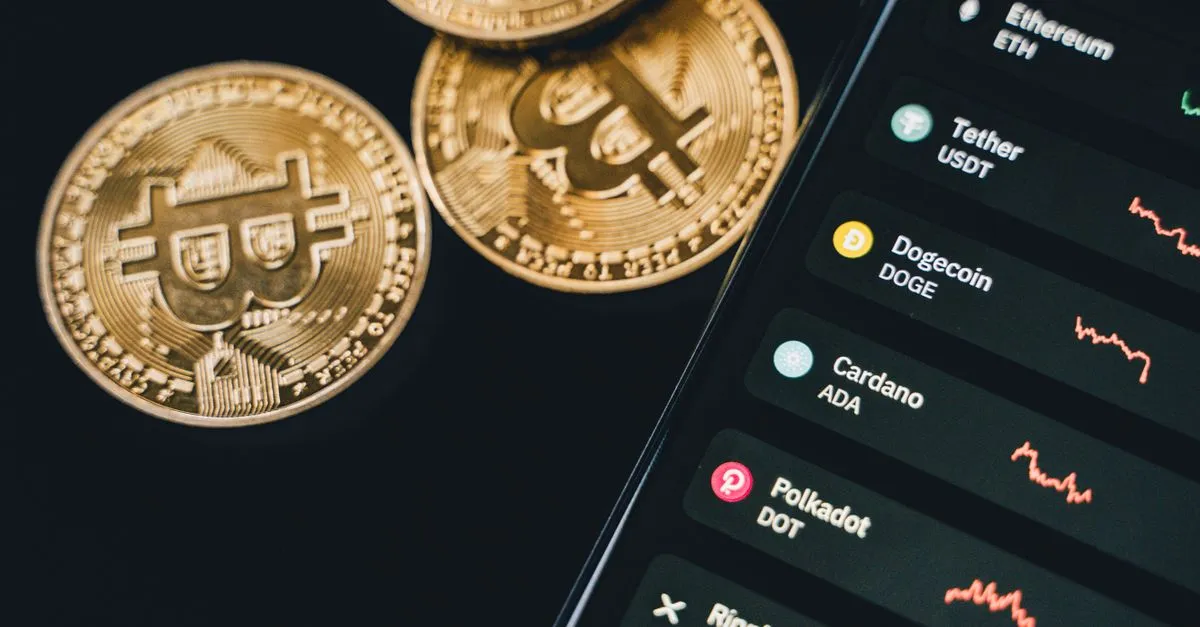
USDT and USDC Supply Hits Record High as Stablecoin Demand Soars
The combined circulating supply of the world's two largest stablecoins has climbed to an all-time high, underscoring how deeply dollar-pegged digital assets have embedded themselves in the global crypto economy. Data tracked across major blockchains shows the aggregate supply of USDT and USDC expanding at a pace not seen since previous bull cycles, with issuance accelerating through the final quarter of 2026.
For traders, freelancers, and online earners who rely on stablecoins for settlement, the milestone is more than a headline. It signals deepening liquidity, tighter spreads on major exchange pairs, and a maturing infrastructure for cross-border payments — but also a market increasingly shaped by a handful of issuers.
What's Driving the Record Supply
Several forces appear to be converging. Trading volumes across spot and derivatives markets have recovered strongly, and stablecoins remain the default collateral and settlement layer for most of that activity. At the same time, demand from payment corridors — particularly for USDT on TRC20, BEP20, and TON — has grown as freelancers and remote workers seek faster, cheaper ways to move value than traditional rails.
USDC, meanwhile, has benefited from its positioning among institutional and compliance-conscious users. Its presence on Ethereum, Solana, Polygon, and other networks has expanded, supported by integrations with payment platforms and merchant tools.
Key catalysts behind the expansion
- Recovering trading activity: Higher volumes on centralized and decentralized venues require more stablecoin collateral.
- Cross-border payments growth: Stablecoin rails compete directly with legacy remittance and payment networks.
- Treasury yield dynamics: Issuers earn on reserves, giving them strong incentives to expand distribution.
- Network diversification: Multi-chain issuance across TON, Solana, BEP20, and Polygon brings stablecoins to lower-fee environments.
Why Liquidity Matters for Exchange Users
A larger stablecoin float generally translates into deeper order books. For active traders, that means narrower spreads on pairs involving BTC, ETH, SOL, BNB, LTC, DOGE, TRX, and SHIB, plus reduced slippage on larger orders. For users converting between fiat rails and crypto, abundant stablecoin supply can also mean more competitive conversion rates.
Payment-focused users should note the practical implications too. Networks such as TRC20 and BEP20 remain popular for low-cost transfers, while Solana and TON offer speed advantages. Choosing the right chain for a given transfer — considering fees, confirmation times, and destination support — has become a core skill for anyone moving value regularly.
Risks Worth Watching
Record supply also concentrates attention on issuer risk. Stablecoins are only as reliable as their reserve backing and redemption mechanisms, and regulatory scrutiny of large issuers continues to evolve. Users should stay alert to:
- Depeg events: Even brief deviations from $1 can create losses for the unprepared.
- Reserve transparency: Regular attestations are a baseline expectation, not a guarantee.
- Network congestion and fees: ERC20 transfers can become costly during peak demand; alternatives such as TRC20, BEP20, SOL, or Polygon may be preferable.
- Smart contract exposure: Holding stablecoins on DeFi protocols adds risk beyond the issuer itself.
Practical Takeaways for Traders and Earners
Manage your stablecoin stack actively
Don't leave large balances idle on exchange accounts for extended periods. Spread holdings across trusted wallets and keep operational funds separate from long-term savings.
Match the rail to the job
Use TRC20 or BEP20 for routine low-fee transfers, Solana or TON when speed matters, and ERC20 when the destination specifically requires it. If you also use services like RedotPay, Skrill, Payeer, Perfect Money, Neteller, Volet/Advcash, WebMoney, or PayPal, plan conversions around fee structures rather than convenience alone.
Verify before you send
Always confirm the receiving network and address format. A stablecoin sent on the wrong chain is often unrecoverable — a mistake that becomes more likely as multi-chain issuance expands.
Keep an eye on supply trends
Rapid stablecoin minting can signal incoming buying pressure, while sharp redemptions may precede volatility. Treat issuance data as one input among many, not a standalone trading signal.
The Bigger Picture
Record stablecoin supply is ultimately a vote of confidence in dollar-denominated digital cash as core financial infrastructure. For freelancers, online earners, and traders, the practical question is no longer whether to use stablecoins, but how to use them safely and efficiently across the growing range of supported networks and payment rails. As issuance continues to climb, discipline around wallet security, network selection, and counterparty trust will matter more than ever.