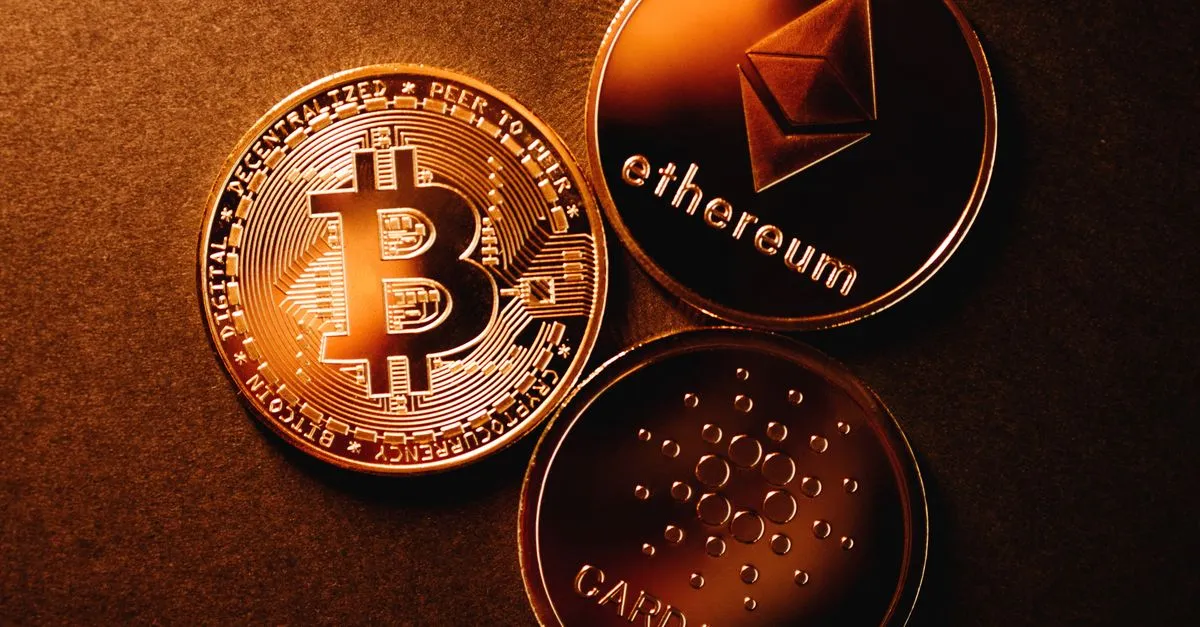
Best Crypto Wallets for Exchange: 2025 Guide to Secure Storage
Best Crypto Wallets for Exchange: A Complete Guide for Freelancers and Traders
For freelancers, online earners, and active crypto traders, the wallet you choose is far more than a place to park digital assets. It is the operational backbone of your income flow. Whether you are receiving payments in USDT (TRC20, ERC20, BEP20, SOL, TON, or Polygon), converting BTC or ETH, or moving funds between a trading platform and cold storage, the right wallet determines how fast, cheap, and secure your money moves. This guide breaks down the best crypto wallets for exchange use, what to look for, and how to match your wallet strategy to your earning and trading habits.
Why Wallet Choice Matters When You Use an Exchange
An exchange account is a gateway, not a vault. Serious traders and freelancers treat exchanges as liquidity hubs and wallets as the control layer. The pairing matters because every deposit and withdrawal depends on network compatibility, fee structures, and address formats.
A wallet that supports the same networks your exchange supports—TRC20, ERC20, BEP20, SOL, TON, and Polygon among them—prevents costly mistakes like sending USDT on the wrong chain. It also lets you time withdrawals for lower fees, batch small payments, and keep only working capital on the exchange while securing the rest elsewhere.
Key Criteria to Evaluate
- Multi-network support: Native handling of USDT across TRC20, ERC20, BEP20, SOL, TON, and Polygon, plus BTC, ETH, LTC, SOL, BNB, DOGE, TON, TRX, and USDC.
- Security architecture: Non-custodial keys, hardware integration, 2FA, and address whitelisting.
- Exchange interoperability: Smooth deposit and withdrawal flows with major trading platforms.
- Fee transparency: Clear network fees and the ability to choose chains strategically.
- Fiat and payment rail awareness: The ability to convert crypto proceeds through rails such as RedotPay, WebMoney, Volet/Advcash, Skrill, Payeer, Perfect Money, PayPal, Neteller, Nagad, Rocket, Local Pay, and Nexus Pay via exchange services.
Best Crypto Wallet Types for Exchange Users
1. Non-Custodial Software Wallets (Daily Driver)
Software wallets such as MetaMask, Trust Wallet, and Phantom are the practical choice for traders who move funds frequently. They support EVM networks, Solana, and TON-based assets, integrate with decentralized applications, and connect cleanly to exchange withdrawal addresses. For freelancers who receive frequent small payments, a mobile-first non-custodial wallet offers the best balance of speed and self-custody.
2. Hardware Wallets (Long-Term Storage)
Ledger and Trezor remain the standard for securing larger balances. The best practice for exchange users is a hybrid model: keep active trading capital on the exchange or a hot wallet, and sweep profits to a hardware wallet on a regular schedule. This protects you from platform risk, phishing, and device compromise without slowing down day-to-day trading.
3. Exchange-Native Wallets (Convenience Layer)
Most major exchanges provide internal wallets with instant transfers between users and lower internal fees. These are ideal for converting payouts and managing liquidity, but they should not hold your entire portfolio. Use them for execution and settlement, not storage.
4. Multi-Currency Wallets with Payment Rail Integration
Wallets that bridge crypto and traditional payment rails add real value for online earners. Being able to off-ramp through RedotPay, WebMoney, Volet/Advcash, Skrill, Payeer, Perfect Money, PayPal, Neteller, Nagad, Rocket, Local Pay, or Nexus Pay via your exchange broadens how you access your earnings without forcing every transaction through a single channel.
How to Choose the Right Wallet for Your Exchange Workflow
Match Networks to Your Payment Sources
If clients pay you in USDT, confirm your wallet supports TRC20, ERC20, BEP20, SOL, TON, and Polygon so you never have to refuse a payment due to chain mismatch. Traders working across multiple ecosystems should prioritize wallets with broad native support for BTC, ETH, LTC, SOL, BNB, DOGE, TON, TRX, and USDC.
Prioritize Security Hygiene
Use unique passwords, enable two-factor authentication, verify addresses character by character, and maintain a whitelist of trusted withdrawal destinations. Never store seed phrases digitally, and treat every unsolicited wallet connection request as hostile.
Plan Your Withdrawal Strategy
Withdrawal fees vary by network and congestion. A wallet paired with a well-chosen exchange lets you route USDT over TRC20 or BEP20 for low-cost transfers, or use SOL and TON for speed. Plan conversions and withdrawals around network conditions to keep more of your earnings.
Practical Setup for Freelancers and Traders
- Open an exchange account for liquidity, conversions, and payment rail access.
- Install a non-custodial software wallet for daily receipts and small trades.
- Add a hardware wallet for savings and long-term holdings.
- Whitelist your wallet addresses on the exchange and enable withdrawal confirmations.
- Sweep profits to cold storage on a fixed schedule.
- Diversify off-ramp routes across available payment rails to reduce single-point dependency.
Final Thoughts
The best crypto wallets for exchange use are not the most feature-packed—they are the ones that fit your workflow. Use a non-custodial wallet for control, a hardware wallet for security, and an exchange for liquidity. When your wallet supports the networks you actually get paid in and your exchange connects to the payment rails you actually use, your crypto operations become faster, cheaper, and far more resilient.