
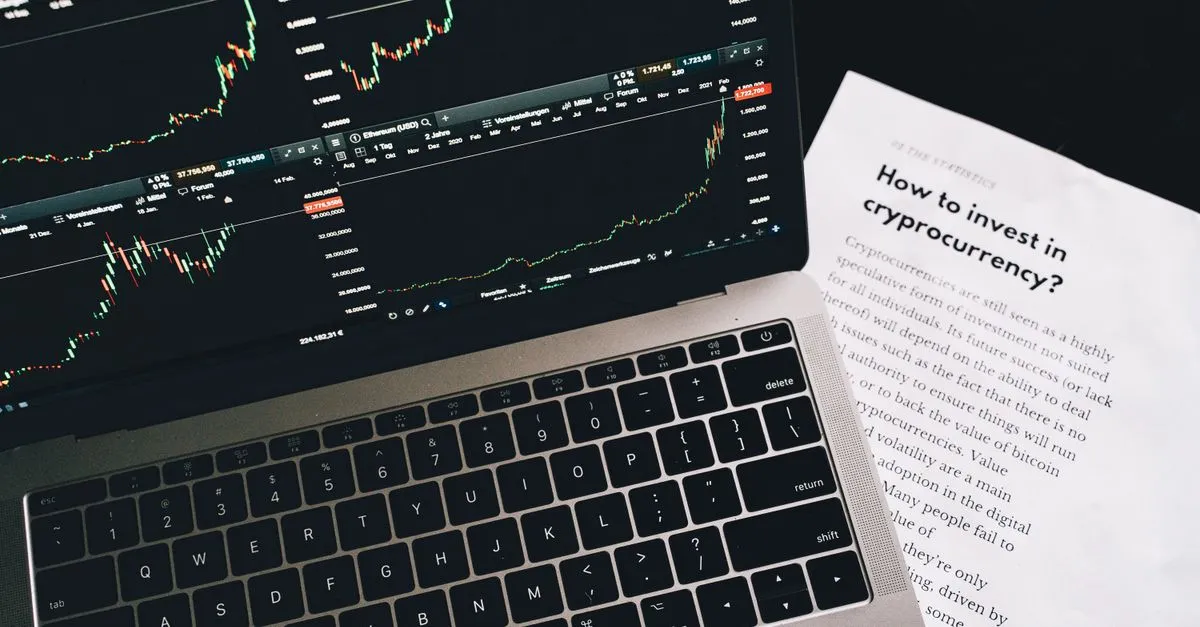
Top 5 Digital Currencies to Invest in This Year: Expert Guide
The digital asset landscape has matured significantly, evolving from a niche curiosity into a legitimate component of a diversified financial strategy. For freelancers, remote earners, and active traders, understanding which digital currencies offer the strongest fundamentals, liquidity, and long-term potential is essential. This guide breaks down the top 5 digital currencies to invest in this year, focusing on real-world utility, network strength, and market resilience.
Why Digital Currency Investment Deserves a Strategic Approach
Digital currencies are no longer just speculative instruments. They power cross-border payments, smart contracts, decentralized finance (DeFi), and tokenized ecosystems. For professionals who earn in multiple currencies and need fast, low-cost settlement, digital assets can also serve as a bridge between traditional payment rails and the on-chain economy. That dual role—investment vehicle and operational tool—makes a thoughtful allocation more important than ever.
Before choosing assets, consider three core criteria: liquidity (how easily you can enter and exit), utility (does the network solve a real problem?), and adoption (are institutions and developers building on it?). The five assets below score well across all three.
1. Bitcoin (BTC) – The Institutional Anchor
Bitcoin remains the benchmark for the entire asset class. Its fixed supply of 21 million coins, deepening institutional participation through spot exchange-traded products, and status as a recognized store of value make it the foundation of most digital currency portfolios. For freelancers and traders, BTC also offers the deepest liquidity of any digital asset, meaning tight spreads and reliable execution across major exchanges.
Why BTC Still Belongs in a Portfolio
- Scarcity: A programmatic supply cap that no central authority can inflate.
- Liquidity: The most traded digital asset globally, with robust order books on every major venue.
- Institutional adoption: Growing corporate treasury allocations and regulated investment products.
- Settlement utility: A neutral rail for large-value transfers, independent of banking hours.
A common approach is to treat BTC as the core holding—often the largest single position—and build satellite positions around it.
2. Ethereum (ETH) – The Programmable Settlement Layer
Ethereum is the leading smart contract platform and the backbone of most DeFi, stablecoin, and tokenization activity. Its native asset, ETH, is used to pay transaction fees, secure the network through staking, and collateralize on-chain applications. With continued scaling improvements and a vast developer ecosystem, Ethereum remains the most consequential programmable blockchain.
Key Strengths for Investors and Earners
- Staking yield: ETH holders can earn network rewards by participating in validation.
- Network effects: The largest concentration of developers, applications, and total value locked.
- Tokenization hub: The primary venue for real-world asset and stablecoin issuance.
- Deflationary dynamics: Fee-burning mechanisms can reduce supply during periods of high activity.
For traders, ETH pairs are among the most liquid markets available, and its volatility can be managed with disciplined position sizing.
3. Tether (USDT) – The Operational Backbone for Freelancers
USDT is the world's most widely used stablecoin, pegged to the U.S. dollar and available across multiple high-performance networks. For freelancers and online earners, USDT is less about price appreciation and more about stability, speed, and flexibility. It allows you to hold value in dollar terms while retaining the ability to move funds globally within minutes.
Supported Networks and Practical Use Cases
USDT is available on several major rails, including TRC20, ERC20, BEP20, SOL, TON, and Polygon. This multi-chain flexibility matters: TRC20 and BEP20 are typically chosen for low-cost transfers, while ERC20 is preferred when interacting with Ethereum-based DeFi. On many exchange platforms, USDT also pairs with RedotPay, WebMoney, Volet/Advcash, Skrill, Payeer, Perfect Money, PayPal, Neteller, Nagad, Rocket, Local Pay, and Nexus Pay, giving earners multiple on-ramps and off-ramps between digital assets and everyday payment methods.
- Invoicing stability: Price work in dollar terms without bank delays.
- Fast settlement: Receive payments across borders in minutes, not days.
- Low-cost transfers: Choose the network that best balances speed and fees.
- Liquidity hub: The most common quote currency for trading pairs.
Treat USDT as your working capital layer—money you can deploy quickly, convert easily, or hold without worrying about daily price swings.
4. Solana (SOL) – High-Throughput Performance
Solana has established itself as a leading high-performance blockchain, offering fast transaction finality and low fees. Its ecosystem spans DeFi, payments, consumer applications, and NFTs, and it has attracted significant developer activity. For traders, SOL offers strong liquidity and pronounced momentum cycles; for builders and earners, it provides a cheap and fast rail for on-chain activity.
What to Watch
- Network reliability: Continued improvements to uptime and decentralization.
- Developer growth: A key leading indicator of long-term ecosystem value.
- Payment integrations: Expanding use in consumer and merchant applications.
5. Binance Coin (BNB) – Exchange Utility and Ecosystem Depth
BNB powers one of the largest exchange ecosystems and a widely used smart contract chain. Its utility includes fee discounts, participation in token sales, and gas for BNB Chain applications. For active traders, BNB can reduce trading costs and provide exposure to a broad, high-liquidity ecosystem.
Portfolio Role
- Fee efficiency: Discounts on trading fees improve net returns for active strategies.
- Ecosystem exposure: Access to a large base of DeFi and consumer applications.
- Liquidity: Deep markets across major trading pairs.
How to Allocate Across These Five Assets
A practical framework is to separate your portfolio into two layers. The core layer—BTC and ETH—anchors long-term value and institutional credibility. The operational layer—USDT plus selective exposure to SOL and BNB—supports earning, trading, and on-chain activity. Rebalance periodically rather than reacting to daily headlines, and keep a portion of working capital in stablecoins so you can act on opportunities without forced selling.
Risk Management Essentials
- Position sizing: Never allocate more than you can afford to see draw down significantly.
- Custody: Use reputable exchanges for trading and hardware wallets for long-term holds.
- Network selection: Double-check the correct chain before sending USDT or any asset.
- Diversification: Spread exposure across assets with different drivers of return.
Final Thoughts
The top 5 digital currencies to invest in this year—Bitcoin, Ethereum, Tether, Solana, and Binance Coin—each serve a distinct purpose. BTC and ETH provide the foundation, USDT delivers the stability and payment flexibility that freelancers and online earners need, while SOL and BNB add growth potential and ecosystem utility. By combining these assets thoughtfully, you can build a portfolio that supports both long-term appreciation and everyday financial operations in the digital economy.




