
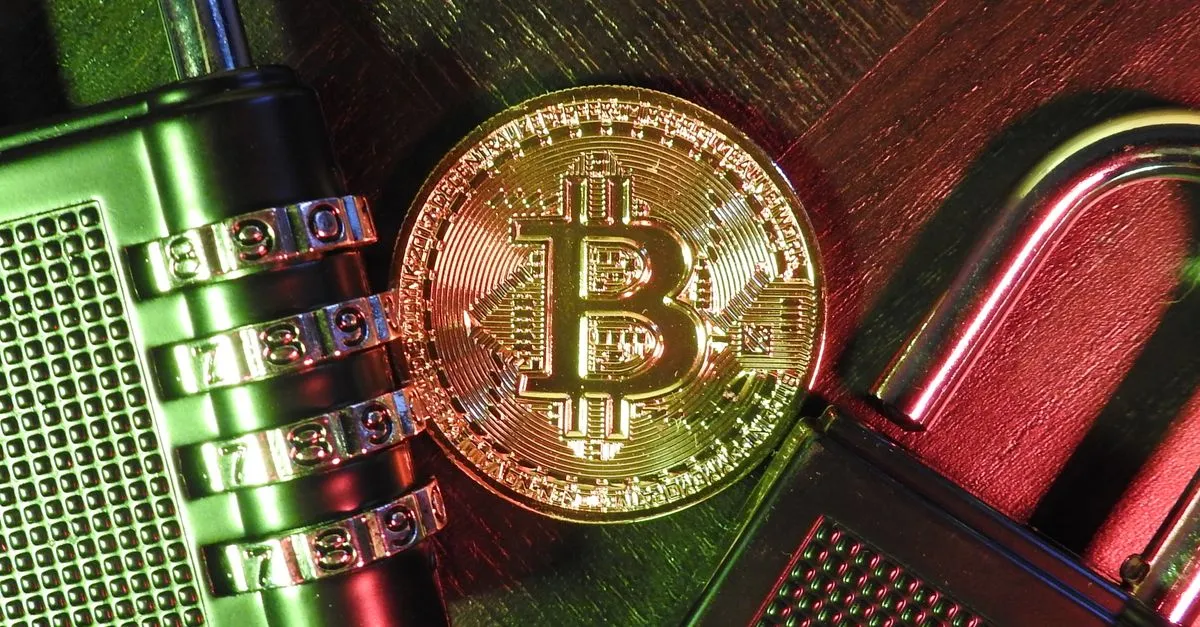
Crypto Wallets Get AI Scam Alerts as USDT, BTC Threats Rise
AI-Powered Scam Detection Lands in Major Wallet Apps
Leading crypto wallet providers have begun rolling out artificial intelligence scam detection features this month, responding to a sharp rise in fraud targeting USDT and Bitcoin holders. The new tools analyze transaction patterns, flag suspicious smart contracts, and warn users before they sign away funds to increasingly sophisticated criminal operations.
The timing is no coincidence. According to blockchain security firms tracking on-chain data through the third quarter of 2026, stablecoin-related scams have grown faster than any other category of crypto crime, with USDT on TRON (TRC20) remaining the most exploited asset for illicit transfers. Bitcoin, despite its transparent ledger, continues to feature prominently in fake investment schemes and wallet-drainer campaigns.
Why USDT and Bitcoin Are Prime Targets
USDT's dominance in trading pairs and cross-border payments makes it the natural vehicle for fraudsters. Its low fees on TRC20, BEP20, and TON networks allow scammers to move stolen funds across multiple chains quickly, often converting to other assets before victims realize what happened. Meanwhile, Bitcoin's brand recognition gives fake "giveaway" and "recovery service" scams an air of legitimacy that less-known tokens cannot match.
Security analysts note that the most damaging attacks now combine social engineering with technical exploits. A victim might receive a convincing message about a compromised account, click a link, and connect their wallet to a malicious contract — all within minutes. AI monitoring aims to catch that critical moment.
What the New Wallet Alerts Actually Do
- Contract risk scoring: Before a user approves a token spend, the wallet queries a machine-learning model trained on millions of known scam contracts and flags high-risk approvals in real time.
- Transaction pattern analysis: Unusual outflows — such as a wallet suddenly sending its entire USDT balance to a newly created address — trigger confirmation prompts and cooling-off warnings.
- Address reputation checks: Incoming and outgoing addresses are screened against databases of reported fraud wallets, including those tied to fake exchanges and phishing campaigns.
- Phishing site detection: Built-in browsers and dApp connectors now warn users when a domain mimics a legitimate exchange or DeFi platform.
The Rise of Approval Exploits and Drainer Kits
A significant share of recent losses stems from token approval exploits. Users grant unlimited spending permission to a contract, often for a legitimate-looking service, and later discover their USDT, ETH, or SOL has been drained. Drainer kits sold on underground forums now bundle polished interfaces with automated scripts that sweep wallets across multiple chains — including Polygon, BNB Chain, Solana, and TON — within seconds of approval.
AI alerts are designed to interrupt this chain of events. Several wallet providers report that early adopters of their detection features have seen a measurable drop in successful drains, though independent verification remains limited. What is clear is that no single tool eliminates risk.
Practical Security Tips for Traders and Freelancers
Whether you are receiving client payments in USDT, holding BTC long-term, or actively trading altcoins like SOL, DOGE, or SHIB, the fundamentals of wallet hygiene still matter more than any single feature:
- Use separate wallets: Keep a cold or hardware wallet for savings and a hot wallet with limited funds for daily transactions and dApp interactions.
- Revoke unused approvals: Periodically review and revoke token spending permissions using reputable approval-checker tools.
- Verify before you sign: Never approve a contract you do not understand. Legitimate platforms do not ask for unlimited USDT or ETH spending rights without clear reason.
- Double-check payment rails: When accepting payments via USDT, USDC, BTC, ETH, LTC, BNB, TRX, TON, or services like RedotPay, WebMoney, Volet/Advcash, Skrill, Payeer, Perfect Money, PayPal, Neteller, Nagad, Rocket, Local Pay, or Nexus Pay, confirm the sender and network before releasing goods or services.
- Treat urgency as a red flag: Pressure to act immediately — "your funds are at risk," "claim before it expires" — is a hallmark of social engineering.
What to Watch Next
Wallet developers are expected to expand AI features beyond alerts into automated risk mitigation, such as temporarily freezing suspicious outflows or requiring multi-signature confirmation for large transfers. Regulators, meanwhile, are paying closer attention to how exchanges and wallet providers communicate risk to users.
For now, the message to the crypto community is straightforward: AI can serve as an early-warning system, but it is not a substitute for cautious behavior. Verify addresses, question unsolicited offers, and treat every signature request as a potential contract with real financial consequences. In a market where USDT and BTC threats continue to evolve, informed users remain the strongest line of defense.




